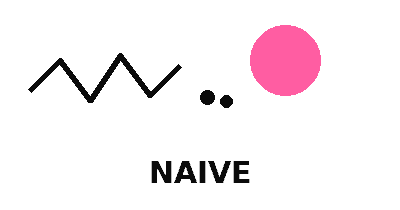
Kittl’s 2026 graphic design trends report highlights Naive Design, a style built on wobbly lines, uneven shapes, and hand-drawn charm that reads as unmistakably human. It’s part of the same anti-polish wave we’ve been tracking this year, alongside stories like the rise of mandatory AI content labels and Adobe’s own Warm, Personal Visual Style trend, all pointing toward the same audience appetite: something that feels made by a person, not generated.
What Defines This Trend
Naive Design combines uneven, freehand-looking lines and doodle-like characters with bold flat colors, balanced by clean typography and generous white space so the final piece still reads clearly. It’s not chaos for its own sake, the imperfection is intentional and controlled, sitting deliberately against the smoothed-out, algorithm-optimized look that’s become the default across so much digital design.
Why It’s Trending Now
This is a direct creative reaction to years of hyper-polished, template-driven visuals and the growing volume of AI-generated imagery online. A wobbly line or an intentionally imperfect shape signals, immediately and without a caption, that “a real person made this.” For audiences fatigued by algorithmic sameness, that signal carries real value, and Gen Z’s nostalgia for early internet and handmade aesthetics is accelerating the shift.
Where It Works Best
Children’s products and education, food and beverage brands wanting to communicate craft, fashion and streetwear looking to stand out through individuality, creative agencies and startups, and health and wellness brands trying to feel less clinical are all strong fits. It’s a weaker choice for brands needing to project pure technical precision or enterprise-grade authority, where the style can read as unserious.
A Restraint Guide
As the trend’s own advocates put it, naivety doesn’t mean chaos. The style still needs generous white space, bold and deliberate color choices, and clear messaging underneath the rough edges. Imperfection without any structure just looks unfinished rather than intentionally charming.
Frequently Asked Questions
What is the Naive Design trend?
It’s a 2026 graphic design trend, highlighted by Kittl, built on intentionally imperfect elements like wobbly lines, uneven shapes, and hand-drawn doodles, paired with clean typography and bold flat colors.
Why are brands choosing imperfect design over polished visuals?
As AI-generated and template-driven visuals become more common, intentionally imperfect, hand-drawn style signals authenticity and human craft in a way polished design increasingly can’t.
What industries fit Naive Design best?
Children’s products and education, food and beverage, fashion and streetwear, creative agencies, and health and wellness brands tend to be the strongest fits.
Ready to bring more personality into your brand’s visuals? Visuapex Creatives offers graphic design and branding built to stand out. Get a free consultation.
Source: Kittl.